
How it may be discovered
Diagnosis is usually based on examination, with imaging used for selected or complex cases.
A hernia occurs when tissue pushes through a weak area of the abdominal wall, often causing a visible bulge or discomfort.
Diagnosis is usually based on examination, with imaging used for selected or complex cases.
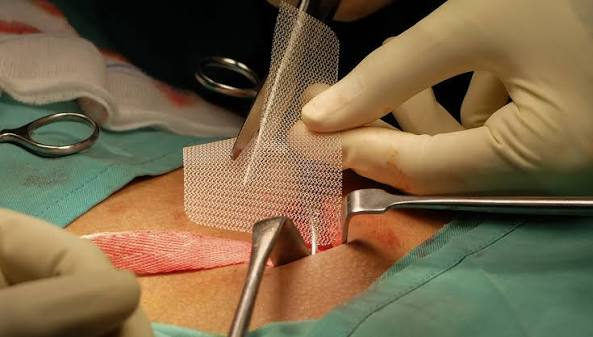
Open or laparoscopic repair may be considered based on hernia type, symptoms, anatomy and previous surgery.
Clear answers to common questions about hernias & hernia repair.
A hernia occurs when internal tissue or an organ pushes through a weak spot in the surrounding muscle or connective tissue, most often in the abdominal wall or groin.
Not always immediately, but most hernias do not resolve on their own. Surgery is generally recommended when a hernia causes symptoms, grows, or carries a risk of incarceration or strangulation.
Open repair uses a single incision over the hernia; laparoscopic repair uses small incisions and a camera. The appropriate approach depends on the hernia and the patient.
Mesh reinforcement is standard for many hernia repairs because it lowers recurrence rates. Mesh type and technique are chosen for the specific hernia and discussed beforehand.
Recovery depends on the hernia type, repair technique, and activity level. Most patients return gradually to normal activity over several weeks.
Depending on the diagnosis, care may involve medical oncology, radiation oncology, gastroenterology, radiology, pathology and other specialties.
Discuss your case →